Undergraduate Research
Midland College has an exciting STEM Undergraduate Student Research Group.
Get involved in real-world science while you’re still a student. At Midland College, you can work alongside faculty on hands-on research in both field and lab settings.
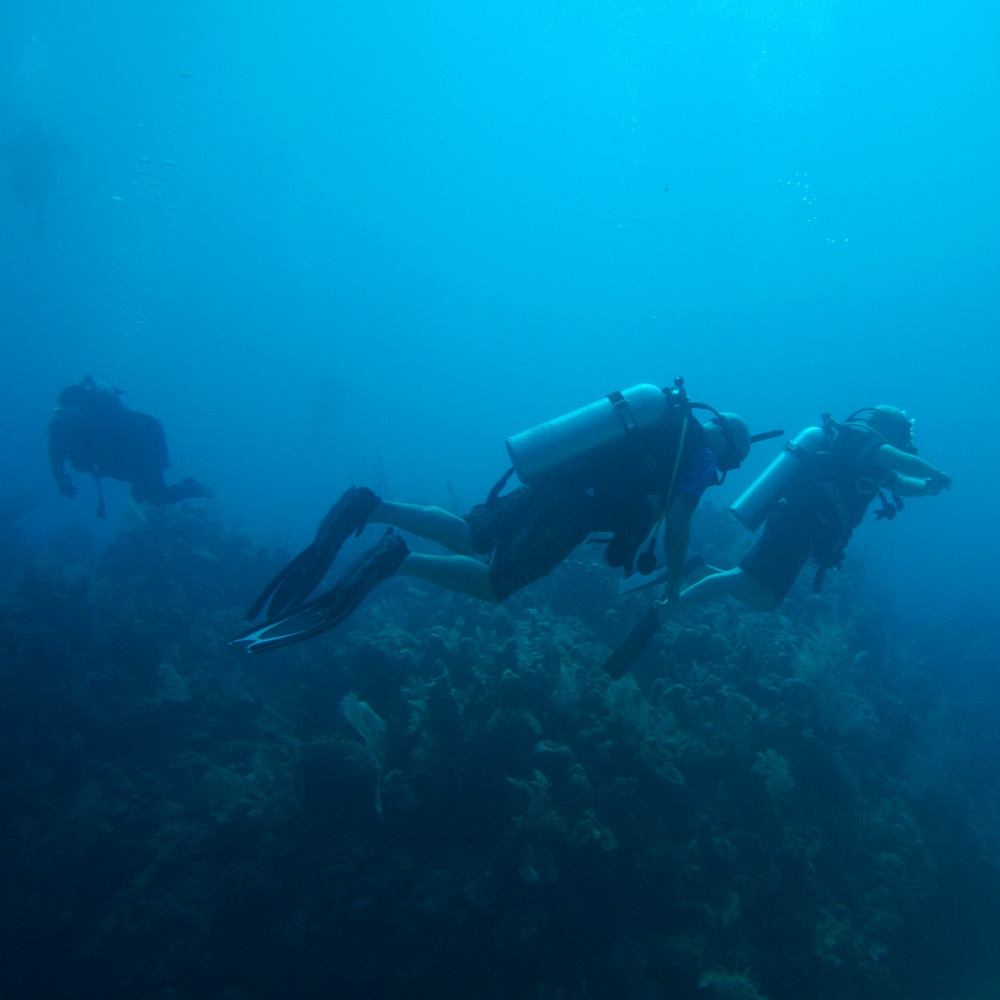
Students across Biology, Chemistry, Engineering, Geology, Math, and Physics have the opportunity to participate in projects, many of which involve collaborations with external partners. These experiences allow you to connect with professionals in your field and explore areas of interest beyond the classroom.
Participating in research helps you gain valuable knowledge, develop technical and problem-solving skills, while building a strong foundation for your future career or transfer goals.
 |
 |
 |
Subject Areas
Select links below for details
Midland College offers students opportunities to participate in hands-on biological research across field and laboratory settings.
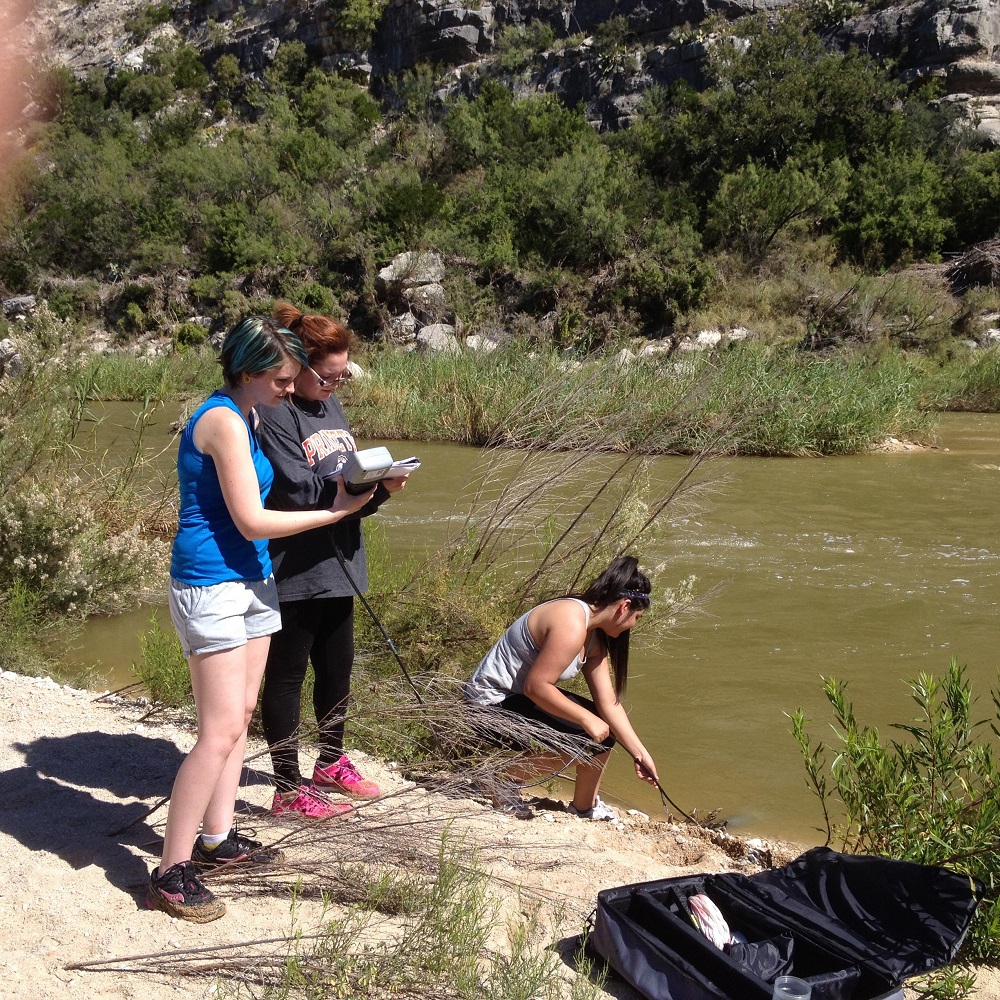
In past projects have included participation in the Texas Commission on Environmental Quality (TCEQ) Clean Rivers Program, where students collected and analyzed water quality data from the Pecos River, contributing to statewide environmental monitoring efforts.
Students have also engaged in molecular and laboratory research, including DNA barcoding, PCR and qPCR analysis, and studies of disease and environmental impacts. Additional projects have included wildlife research in partnership with Texas Parks and Wildlife and the Sibley Nature Center, such as bird banding, species surveys, and pathogen detection using microscopy and molecular techniques.
These experiences allow students to apply classroom knowledge, build technical skills, and explore pathways in biology, healthcare, and environmental science.
Students interested in research opportunities are encouraged to speak with a biology faculty member.
Students have the opportunity to work alongside faculty on projects that connect chemistry to real-world challenges in health, energy, and the environment.
Current and past student research projects include:
-
- Green Synthesis of Silver Nanoparticles with Dr. Kesavan
Explore how environmentally friendly methods can produce nanoparticles with powerful antimicrobial properties used in medical and biomedical applications. - Next-Generation Battery Materials with Dr. Kesavan
Investigate solid ceramic electrolytes, such as lithium metal oxides, to improve the safety and performance of lithium-ion batteries—reducing risks like leakage and evaporation. - Natural Products & Extraction Techniques with Dr. Pandey
Compare traditional and modern methods (maceration vs. Soxhlet extraction) while studying potential therapeutic compounds, including capsaicin-derived molecules. - Carbon Capture and Sequestration with Dr. Pandey
Study how CO₂ can be captured, dissolved, and stored underground to help address challenges related to climate change and sustainable energy.
- Green Synthesis of Silver Nanoparticles with Dr. Kesavan
Through these projects, you’ll gain hands-on experience with modern laboratory techniques, strengthen your problem-solving skills, and explore career paths in chemistry, healthcare, environmental science, and industry.
Interested in getting involved? Talk with a chemistry faculty member to learn about current opportunities.
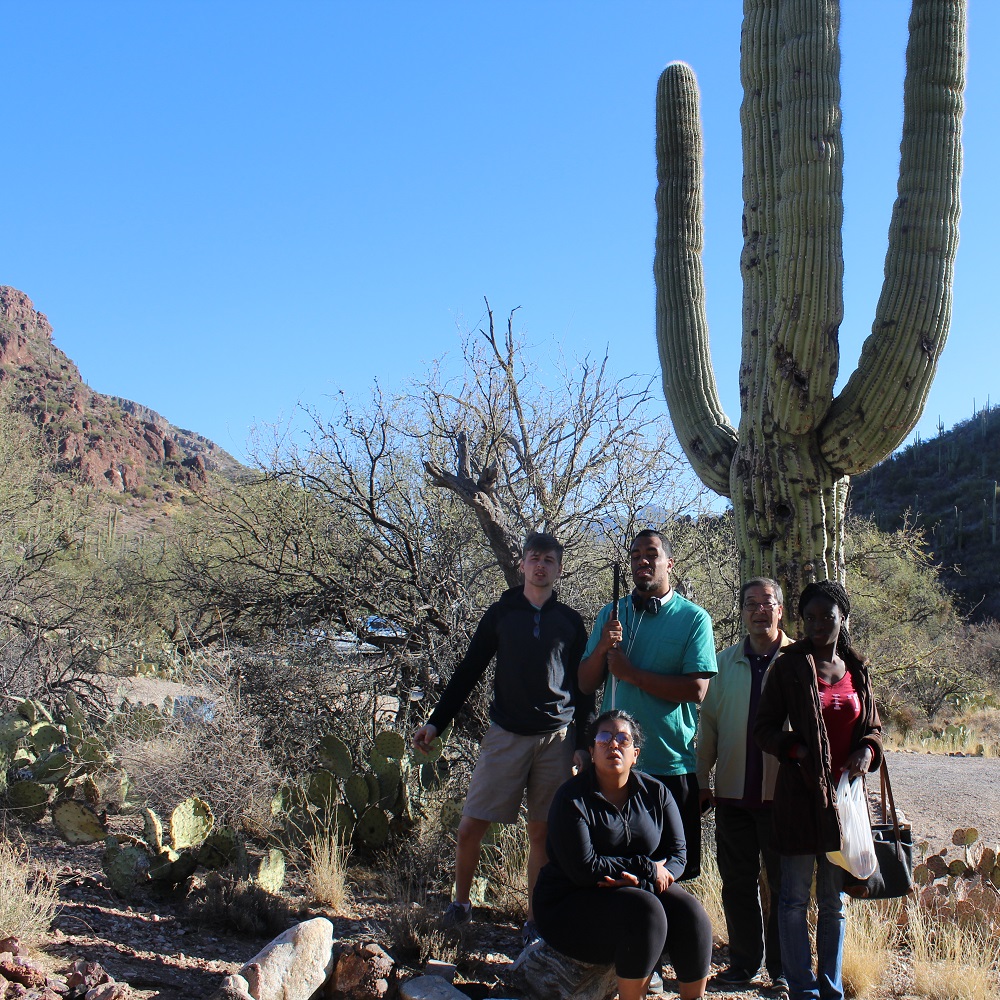
The geology department has several research studies on the deposition of sedimentary rock, the outcropping of formations and studying volcanoes and their lava flows and ash falls. Geological research involves in-field studies of rock formations.
CONTACT INFORMATION
Antony Giles
(432) 685-5580
agiles@midland.edu
Mathematical Modeling
MC Mathematics students who participate in the undergraduate research program learn to answer big questions using a process called mathematical modeling. This is the process by which a student uses the math that they know in a novel way to find a justifiable solution to big, messy questions. Past research questions include finding the safest (in terms of natural disasters) place to live in the United States, determining the best way to power a single residence, and building a plan providing food for a mission to colonize Mars.
Students learn the modeling process and then answer several practice questions each semester to prepare to participate in modeling competitions. In the Spring semesters of 2019, 2021, and 2022 the research teams' papers were selected as a regional finalist in AMATYC's Student Research League Competition.
- 2022 - Alternating to the Future: Electric Vehicles
- 2021 - Mission to Mars: A Solution for the Meal Plan
- 2019 - Power Grid, Renewable Sources, and Energy Optimization
Get involved!
For more information or to get involved, complete the Mathematics Research Interest Form.
Mathematics Research Interest Form
CONTACT INFORMATION
Jamie Kneisley
MHAB 117
(432) 685-4645
jkneisley@midland.edu
Apply to MC Now
Thank you for choosing Midland College! If you are here to collect a few credits, take courses to transfer, or here to start a new career, we welcome you.